Test & Measurement

Overview of test & measurement equipment from Yokogawa (Test & Measurement division) — including their product scope, strengths, and examples of flagship instruments suitable for serious lab/industrial use.

Oscilloscopes & ScopeCorders
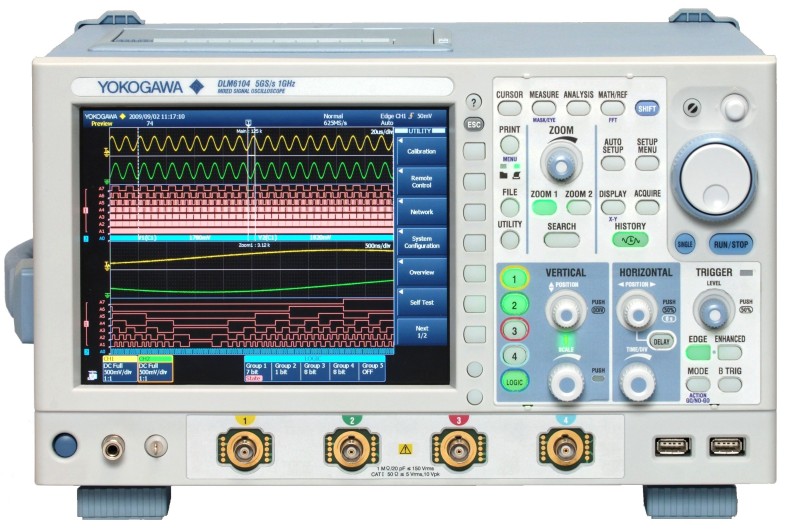
  • High-speed digital oscilloscopes & mixed-signal models (for debug/R&D) – see their “Digital Oscilloscopes” section. Yokogawa

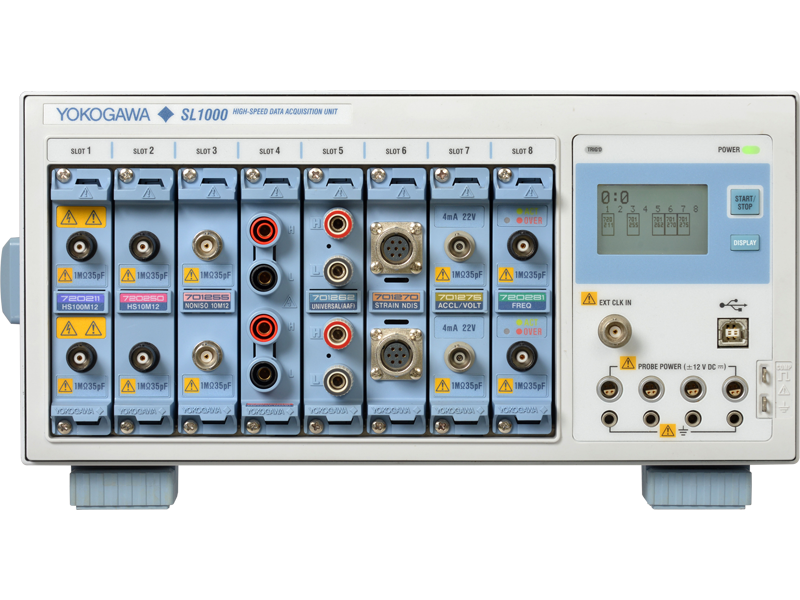
  • ScopeCorder units: combine oscilloscope + multi-channel data recorder for long-term capture. Yokogawa

  • Applications: electronics circuit debug, power electronics switching behaviour, mixed-signal systems, long-term capture of multiple channels.

Power Analyzers & Power Meters
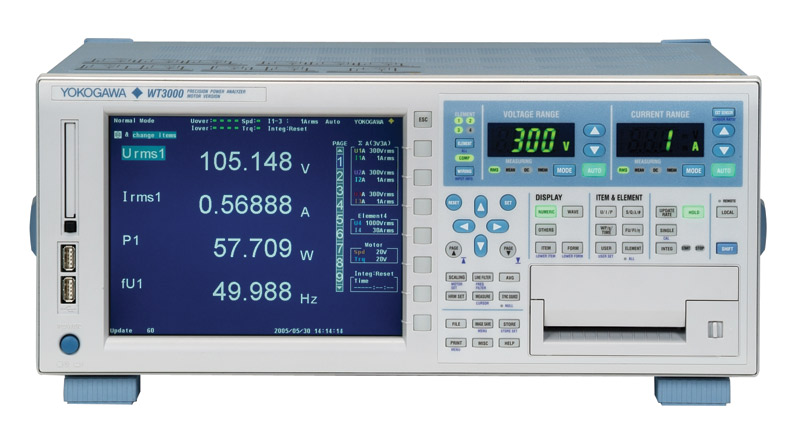
  • Yokogawa states they are “the world’s largest manufacturer of energy and power analyzers and meters”. Yokogawa TMI+1
  • These instruments deliver accuracy in watts, power factor, harmonics, efficiency. Excellent for EV inverter testing, motor drives, grid‐tie systems.
  • Example series: WT5000, WT3000, PX8000 (power scope) in their catalog.
Data Acquisition (DAQ) & Recorder Systems
  • For capturing many channels of analog/digital data, recording over time.

  • Particularly relevant for automotive, mechatronics, power electronics test.

Optical Test Equipment
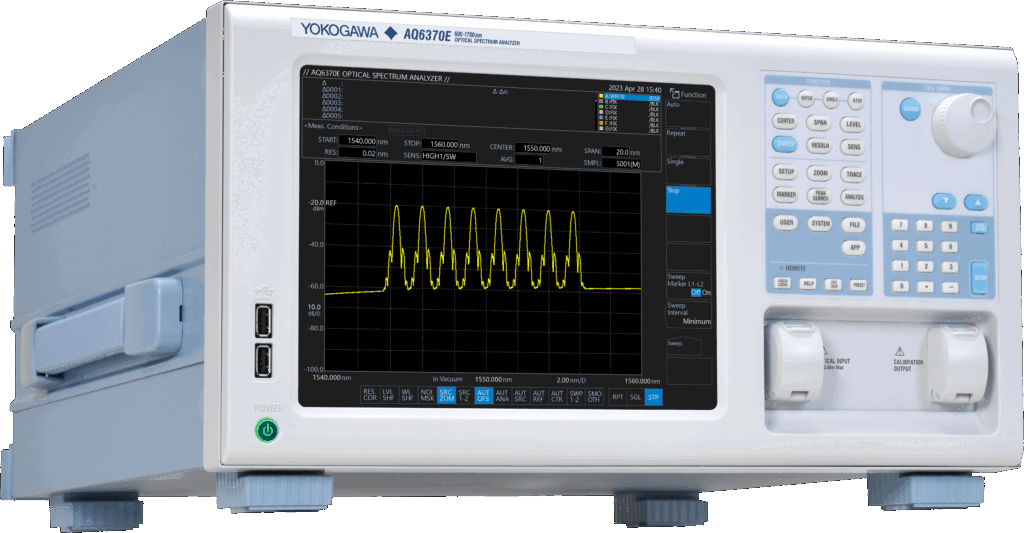
  • Covering fiber-optics, lasers, optical components: spectrum analyzers, OTDRs, optical power meters. Yokogawa
  • Useful for telecom/optical R&D, production, network test.
Signal Generators, Sources & Supplies
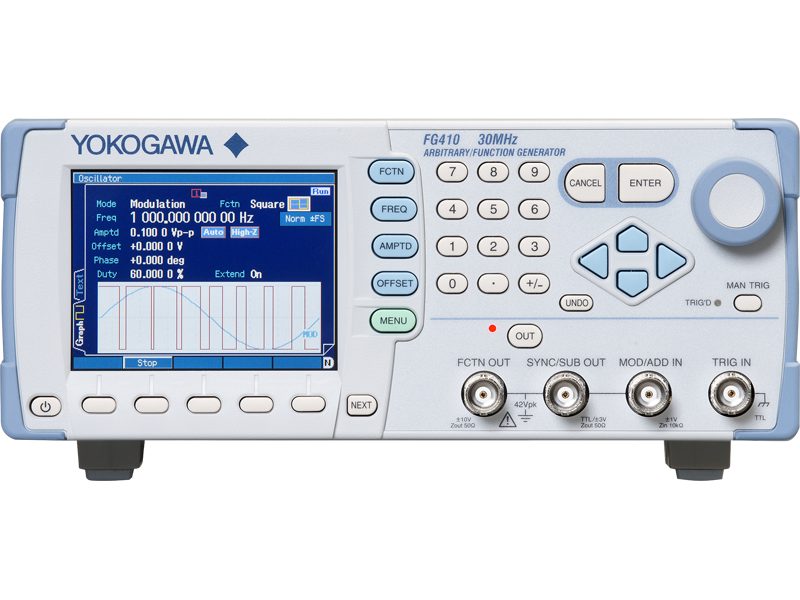
  • Signal sources for stimulus in test setups, function generators, source-measure units. Yokogawa
  • Applicable when you need precise waveform generation, stimulus or source supply for DUT.
Portable & Handheld Instruments
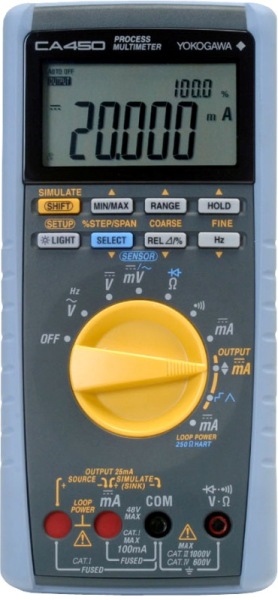
  • Field measurement gear: multimeters, clamp meters, handheld power meters, pressure calibrators.
  • Good for service/maintenance, calibration labs, portable work. Catalog shows many such tools. 
  •  

Automation and control systems {Distributed Control Systems (DCS)

Overview

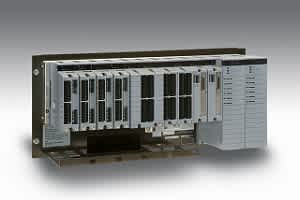
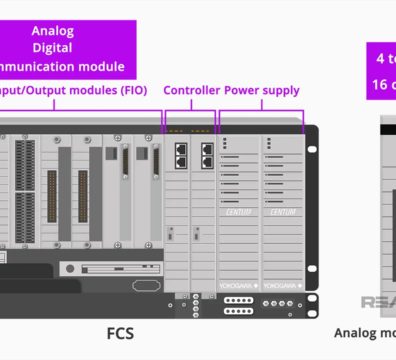
Yokogawa’s DCS solutions provide automation and control platforms for large-scale industrial plants (oil & gas, petrochemical, power, water/wastewater, chemicals, etc.). Their flagship system is the CENTUM VP series (part of the OpreX Control and Safety System family). Yokogawa+2Automation.com+2

Key points:

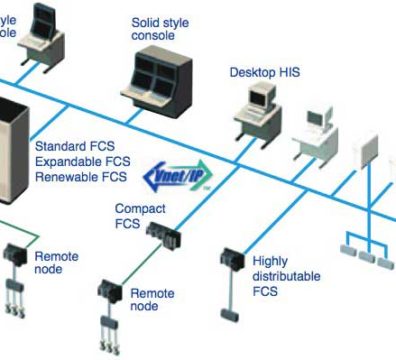
  • A DCS (Distributed Control System) decentralises control: controllers and I/O nodes are distributed throughout the plant, rather than all control being in one central unit. Yokogawa+1

  • Yokogawa introduced the original CENTUM DCS in 1975 and today it is in its 10th generation. Control Design+1

  • Their system supports continuous operations, high availability, and integration of control, safety and information layers. Yokogawa+1


Key Features & Benefits

Here are some of the standout features of Yokogawa’s DCS solutions:

  • Separation of operator interface and controllers: If the HMI (Human‐Machine Interface) fails, the controller continues managing the process, enhancing reliability. 

  • Decentralised installation of I/O and controllers: Field nodes can be placed closer to process equipment, reducing wiring and improving maintainability. 

  • High system availability and fault tolerance: Controllers and partitions can fail without taking down the entire system. Yokogawa+1

  • Backward compatibility & migration support: Yokogawa emphasizes that upgrades are designed to preserve investment and minimise downtime. 

  • Standards compliance and cyber-security: Supports ISA/IEC standards like ISA-18.2 (alarm management), ISA-95 (enterprise control integration), ISA-99/IEC 62443 (cybersecurity) among others. 


Typical Solution Architecture

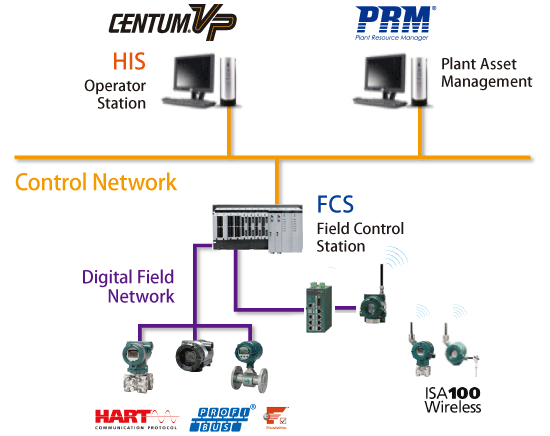
The architecture of a Yokogawa DCS system typically involves:

  • Field devices and I/O modules distributed across the plant.

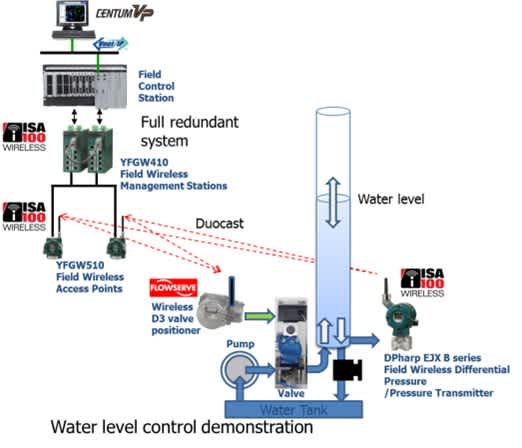
  • Control stations/controllers (often dual redundant) performing real-time control.

  • A high-speed control network (for example, Yokogawa’s Vnet/IP) linking controllers, I/O and HMIs. 

  • Operator stations/HMIs for monitoring & control.

  • Integration with enterprise systems, historical databases, batch systems, safety systems.

  • Tools for engineering, diagnostics and maintenance.

Product & System Offerings

Some of the relevant offerings include:

  • CENTUM VP Series: Yokogawa’s current flagship DCS product line. Yokogawa+1

  • Migration solutions for upgrading older DCS systems (including earlier CENTUM variants) to the newer platform, with minimal downtime.

  • Related modules: alarming/condition monitoring, field instrument management, batch control, safety instrumented systems (SIS) integrated with the DCS.

Capetano

Safety Systems {Safety Instrumented systems (SIS)

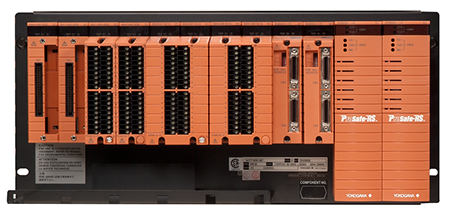
A Safety Instrumented System (SIS) is a dedicated system whose role is to detect abnormal conditions, intervene, and bring the process to a safe state. In other words, while the process control system (DCS / PLC) handles normal operations, the SIS acts as a protection layer for humans, assets and the environment.

Why it matters:

  • For industrial plants in oil & gas, petrochemical, power, terminals, etc., risk of major incidents (fire, explosion, overpressure, toxic release) is real. The SIS is a key layer of protection.

  • Regulatory compliance: Many jurisdictions require SIL-rated safety systems and documented lifecycle management.

  • Integration benefits: A well-designed SIS can integrate with the control system (DCS) but still maintain independence for safety. Yokogawa emphasises this balance.


🛠 Typical Applications

Yokogawa’s SIS solutions are applied in:

  • Emergency Shutdown (ESD) Systems: automatically shut down plant/process when predefined unsafe condition occurs. 

  • Fire & Gas (F&G) Systems: detection and mitigation of fire, gas leak scenarios. Yokogawa+1

  • Burner Management Systems (BMS): for incinerators, boilers, furnaces — ensuring safe start/stop and shut-off in unsafe conditions. 

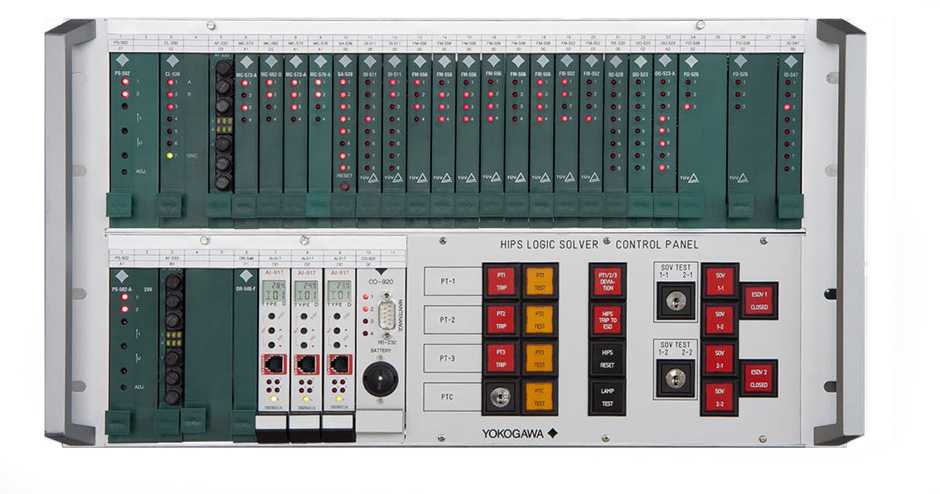
  • High Integrity Pressure Protection Systems (HIPPS): relevant in pipeline, subsea, chemical plants to prevent overpressure incidents. 

  • Integration with larger “Integrated Control & Safety Systems” (ICSS) architectures: SIS + DCS + instrumentation in unified environment.
Capetano

Internet of Things (IoT) – enabled monitoring


✅ What this means & Why it matters

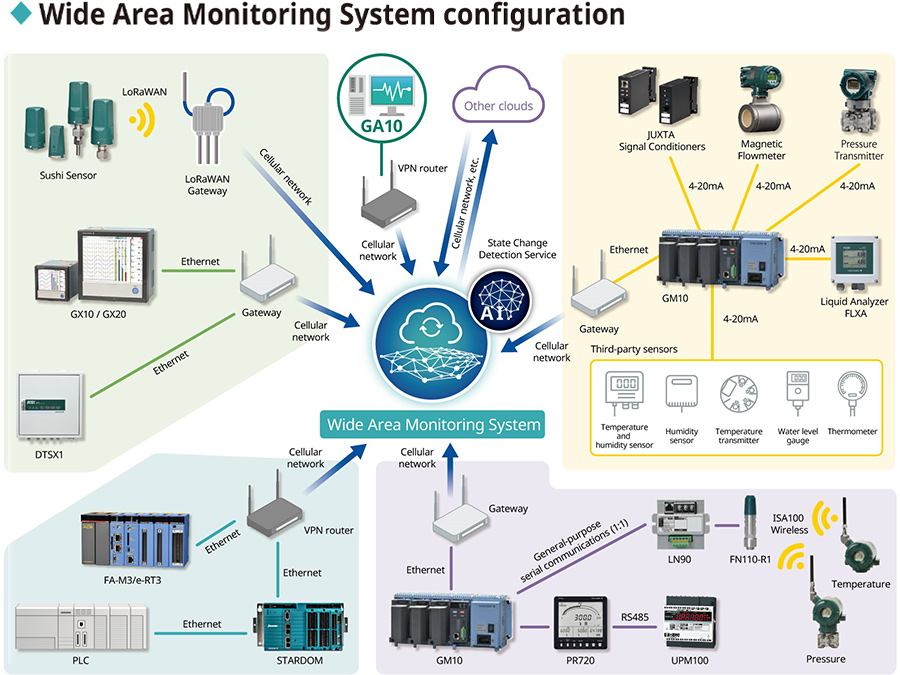
  • “IoT/IIoT-enabled monitoring” refers to remote, networked sensing and analytics of assets/equipment, often via wireless sensors + gateways + cloud or local servers.

  • For Yokogawa, the goal is to move from reactive or scheduled maintenance toward condition-based monitoring and predictive maintenance, improving uptime, reducing unplanned shutdowns, and optimising maintenance cost.

  • With distributed facilities (plants, remote sites, large footprint), traditional wired measurements are often impractical. Wireless/IoT solutions help cover wide areas, harsh environments, and gather data for analytics. 

  • This kind of monitoring is of growing importance in African markets (mining, oil & gas, utilities) where remote assets and wide-area operations are common.


🎯 Typical Use-Cases & Benefits

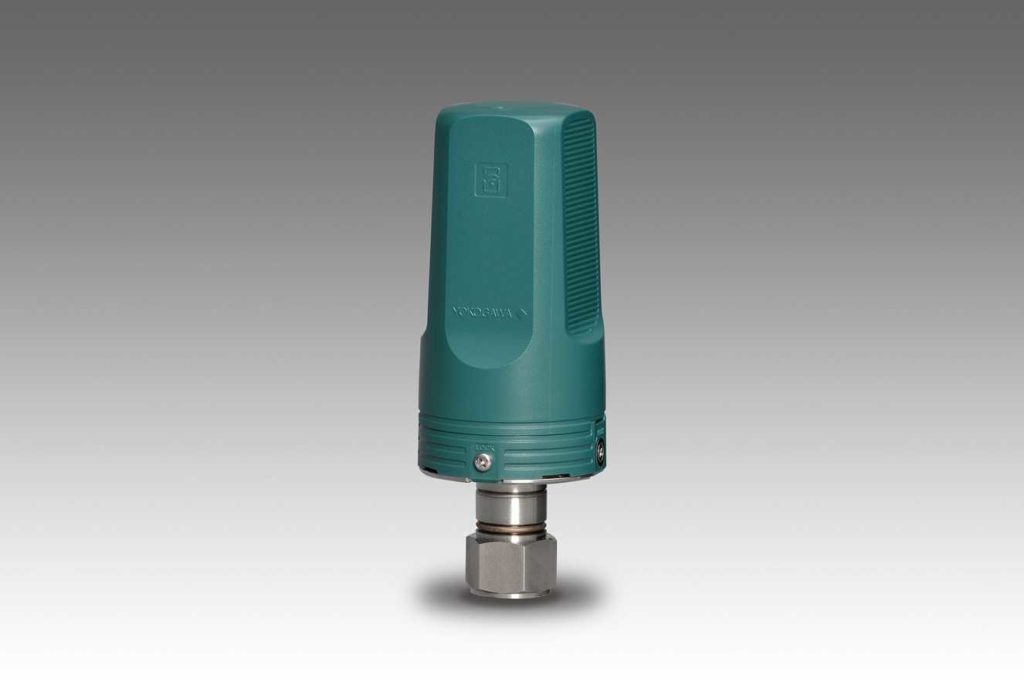
  • Remote asset health monitoring: instead of manual rounds, sensors continuously monitor equipment condition and send alerts early when signs of degradation appear. (E.g., steam traps, pumps, rotating equipment) Yokogawa+1

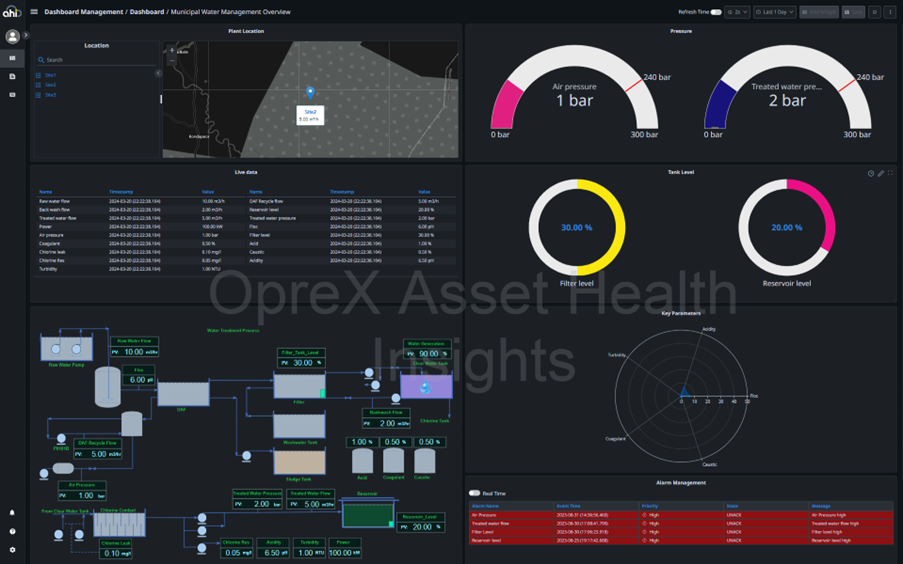
  • Wide‐distributed facility monitoring: For example, pipeline pressure monitoring across remote sites or remote water supply monitoring; remote equipment spread over large geography. 

  • Condition-based maintenance (CBM) and predictive maintenance: By trending sensor data (vibration, temperature) and applying analytics, you can catch problems before failure.

  • Energy/efficiency optimisation: Monitoring steam traps, leaks, etc., helps reduce waste (e.g., GHG emissions) and improves operational cost. 

  • Data-driven decision-making: By capturing more data and making it visible to maintenance, operations, management, you improve decision making (what to service, when).